Native Plants Along The Trail Knowledge

This is a collection of wildflowers commonly seen along the Klickitat Trail compiled by KTC Board Member Emerita Barbara Robinson.

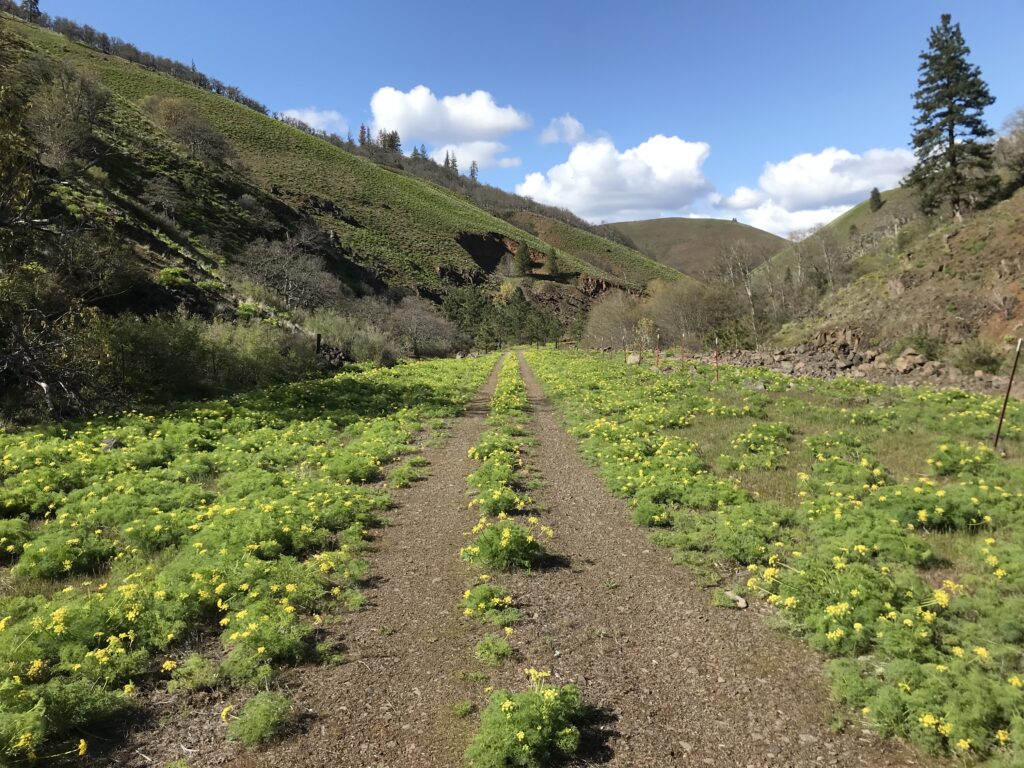
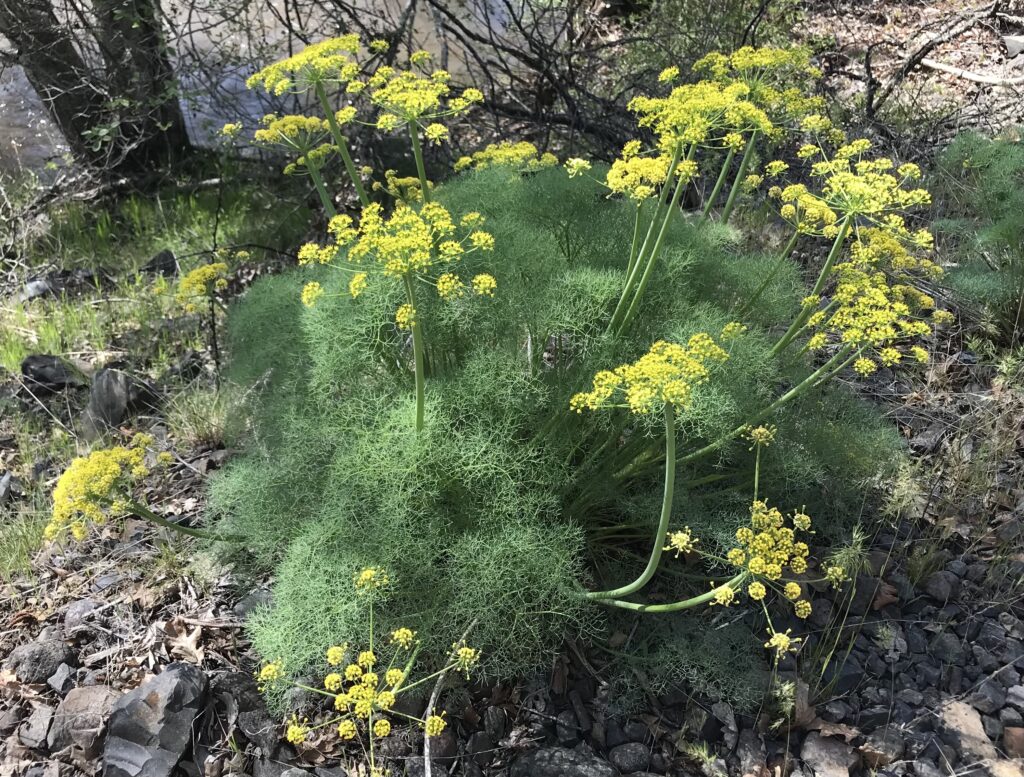
Pungent Desert Parsley carpets many parts of Swale Canyon, with a long bloom time peaking around mid-April.  It was very important to native Americans as a very early spring food.
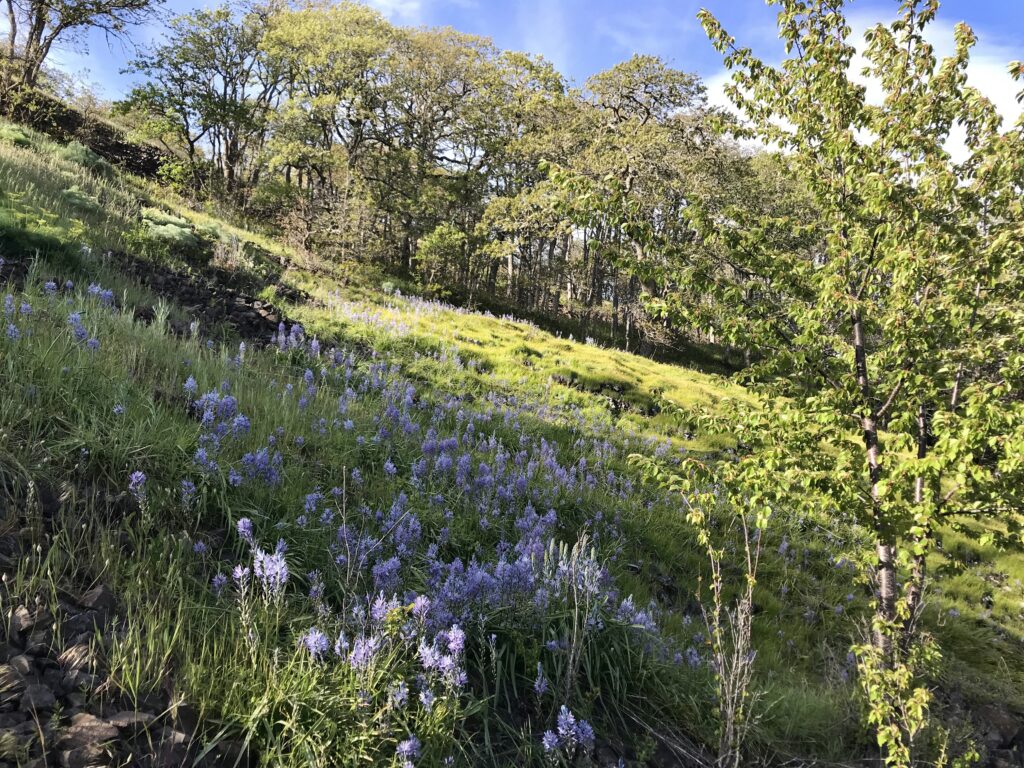
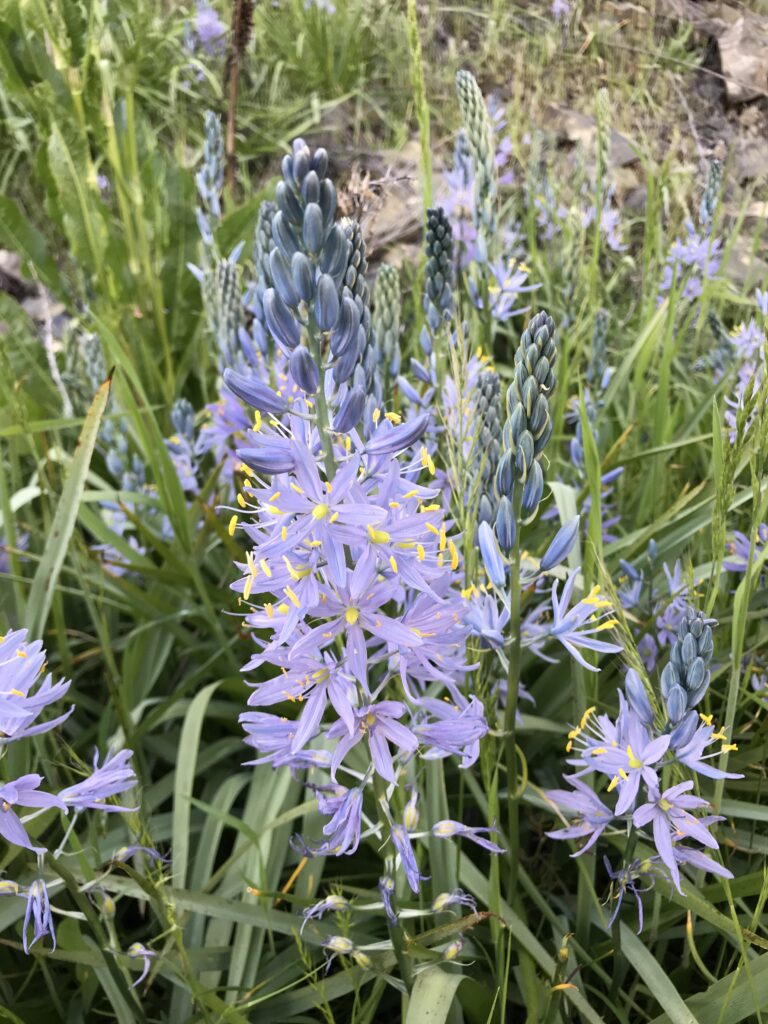
Camas, the lily family, usually blooms around May 1st. Two places you can see it are on wet slopes about a mile north of Pitt and in wet ground near the Harms Rd. trailhead in upper Swale Canyon. Native Americans baked the roots in a long cooking process.

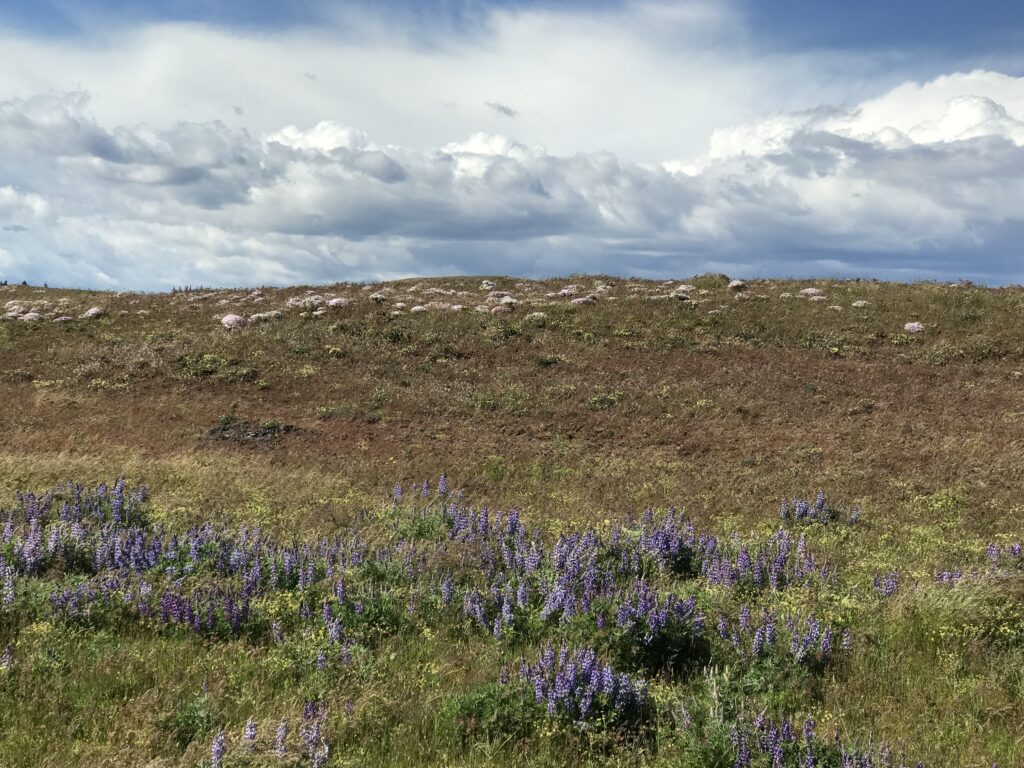
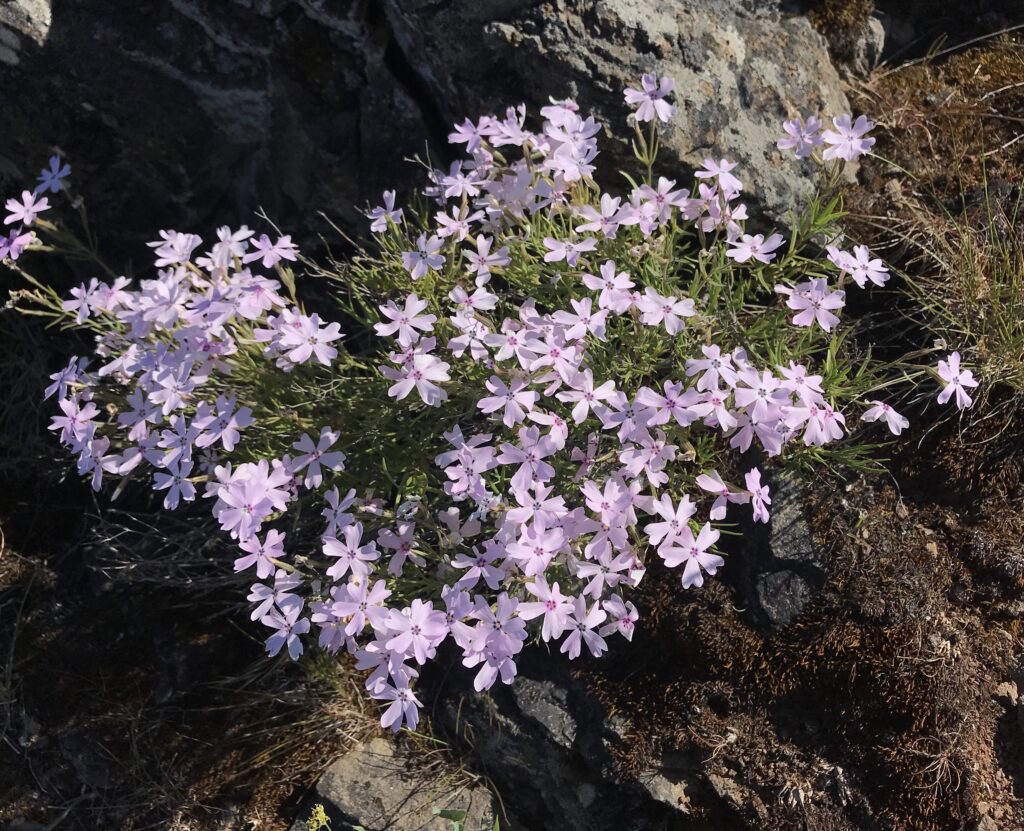
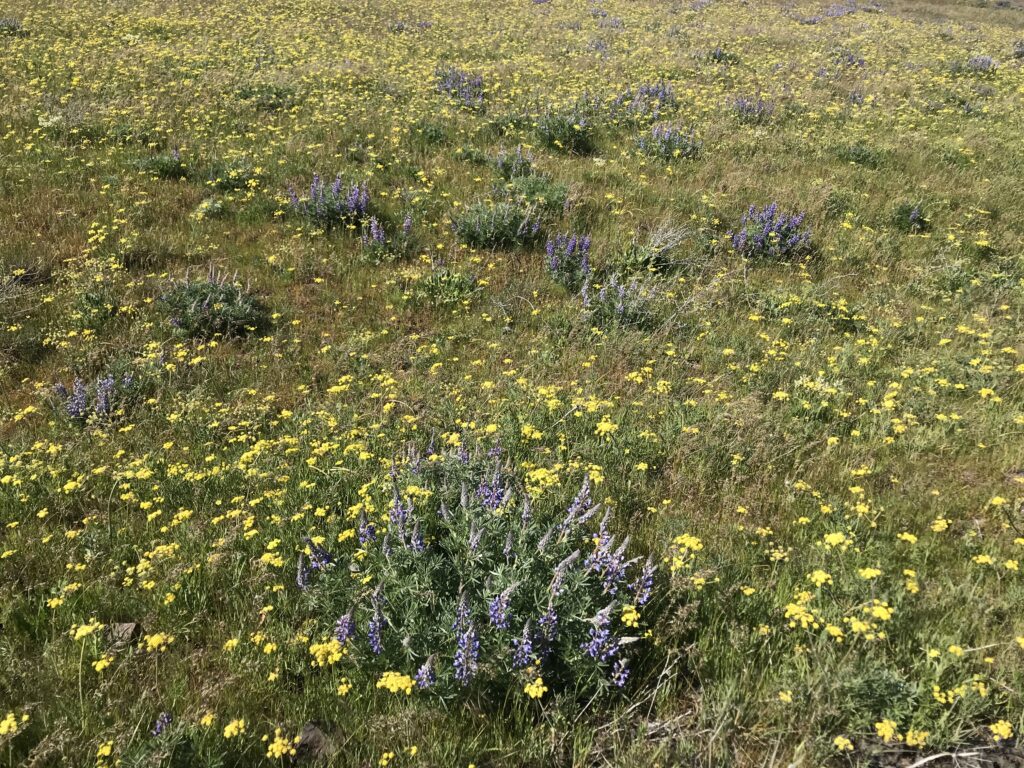
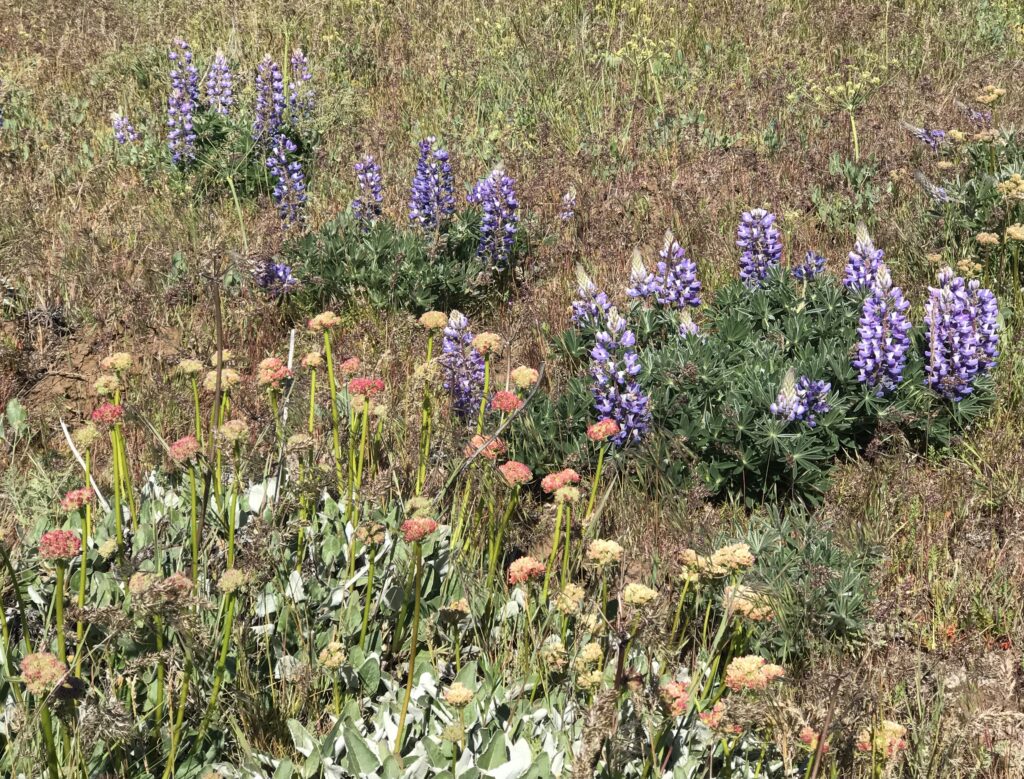
Mid to late May is a great time to see wildflowers on the mile and one half section of trail from Harms Rd. to Warwick. Pictured here are purple lupine, pink phlox, and yellow Nine-Leaf Desert Parsley.

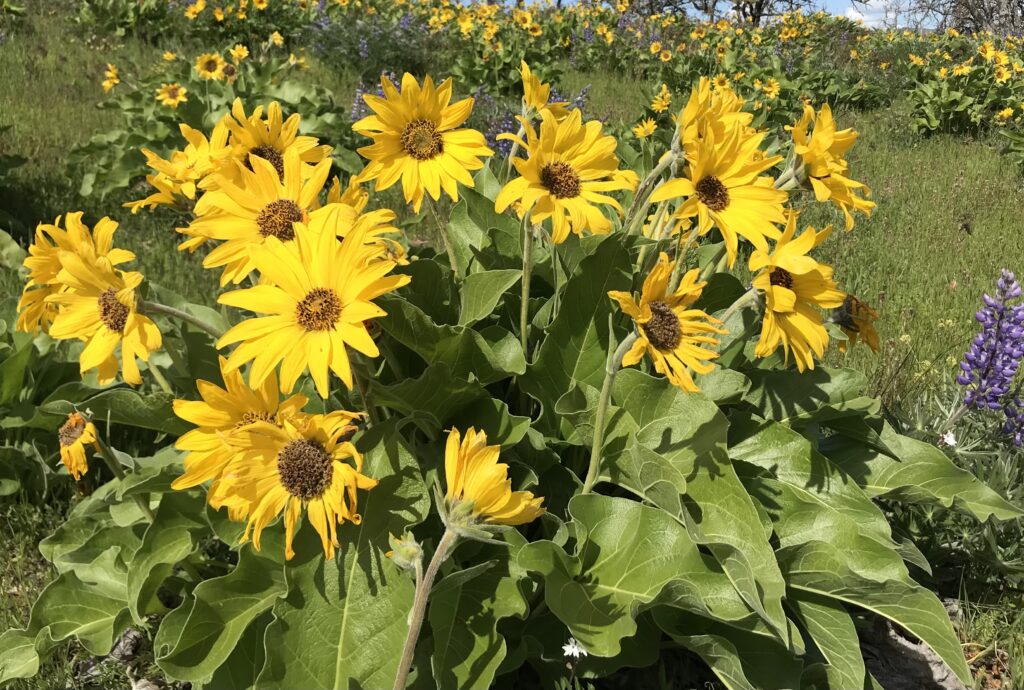
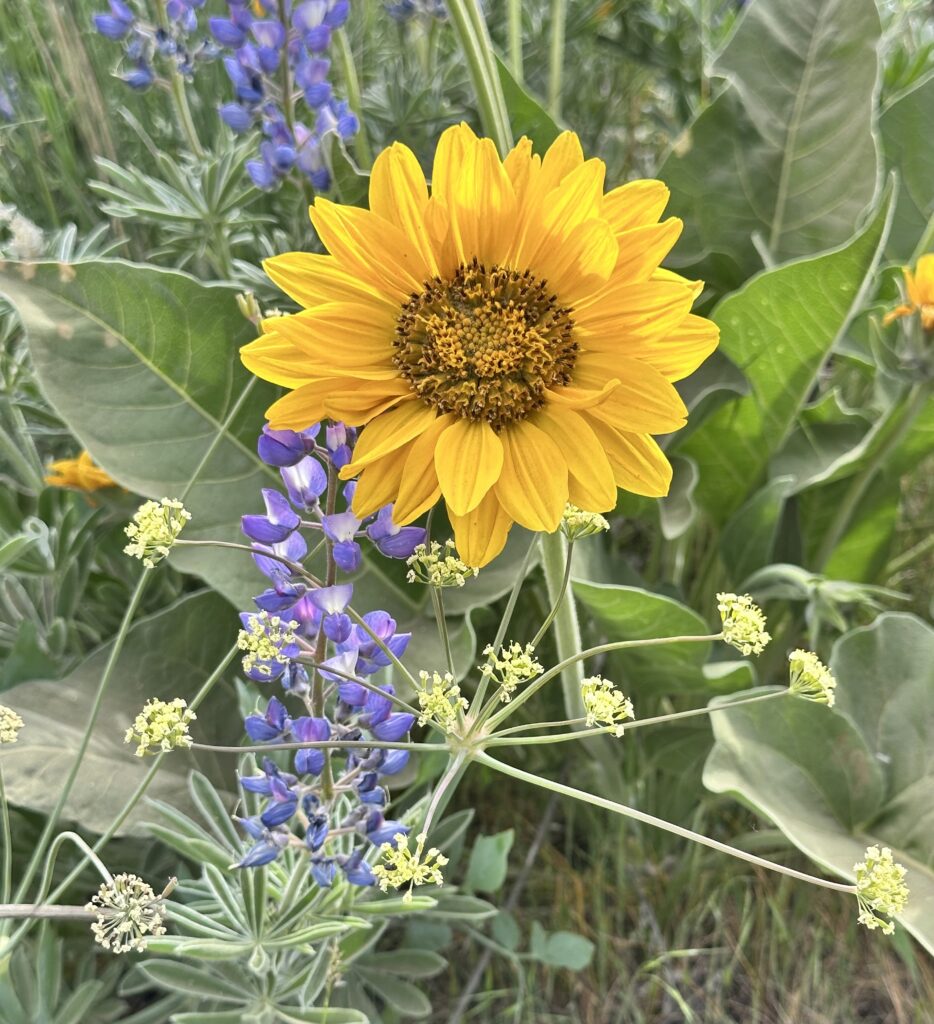
Here and there in many trail locations, from mid-April to mid-May, you might see Balsamroots, our native sunflowers.

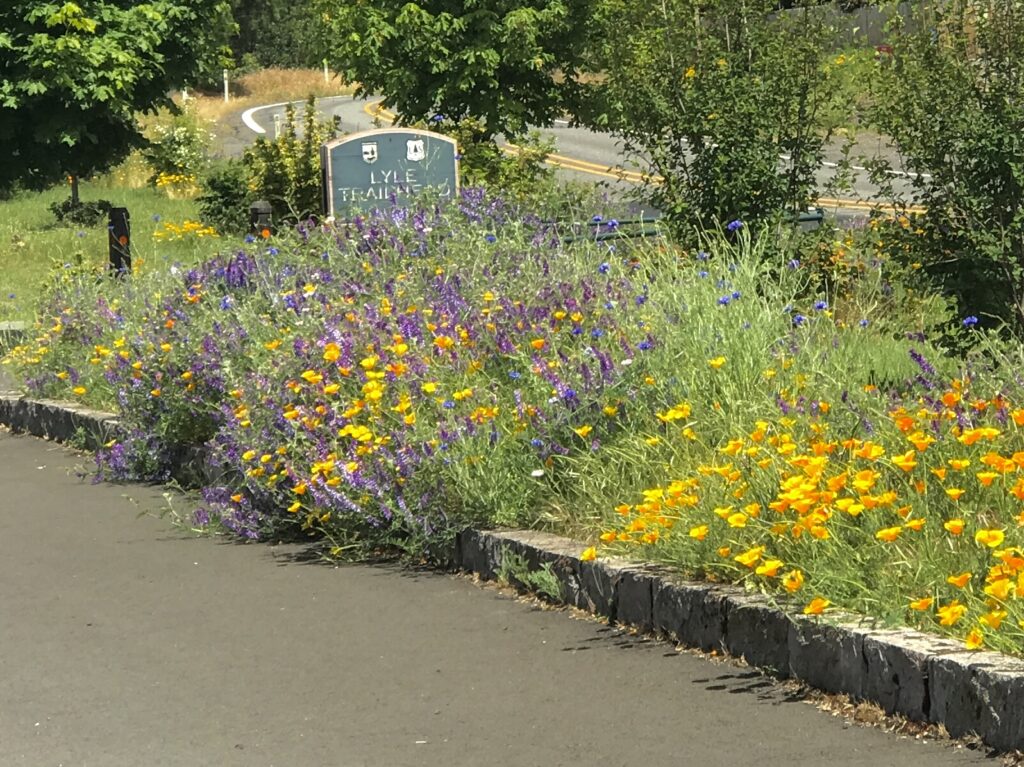
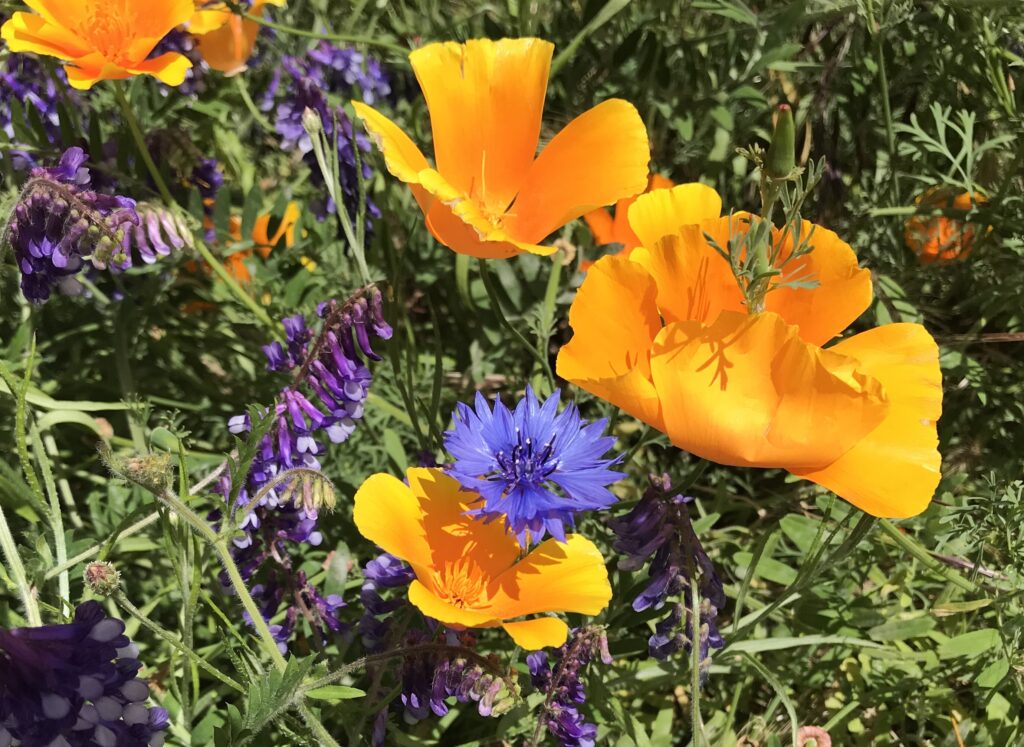
At the Lyle trailhead in May and June you may see a colorful combination of California Poppy, bachelor button, and vetch. These were all growing at the trailhead before it was developed.

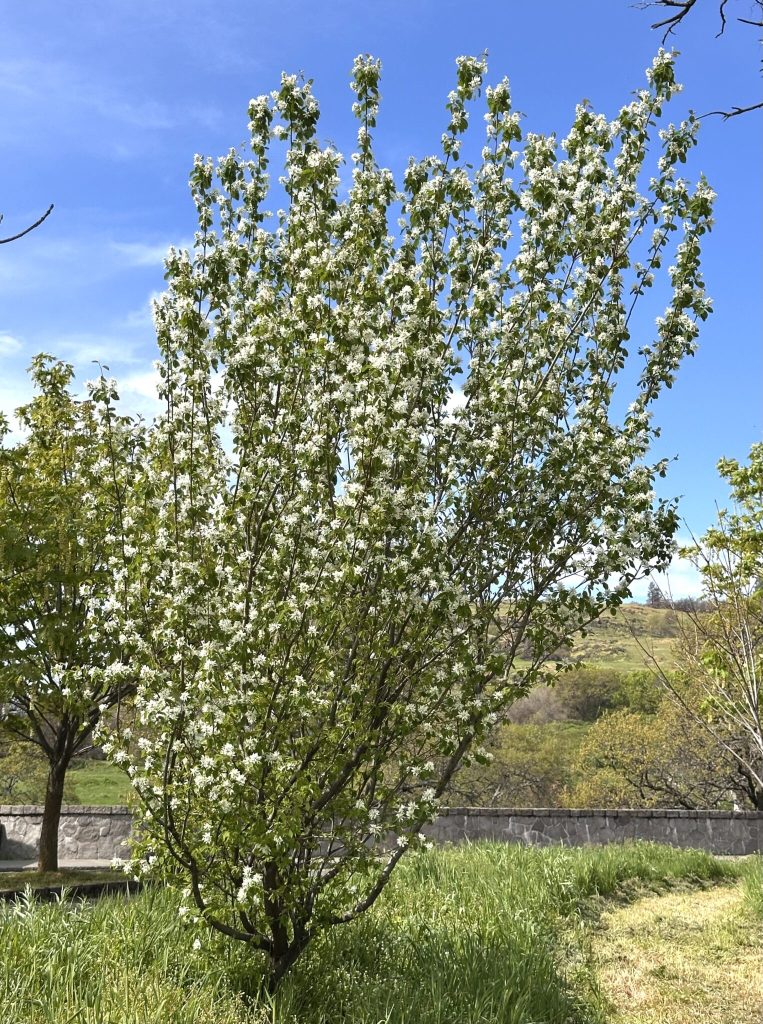
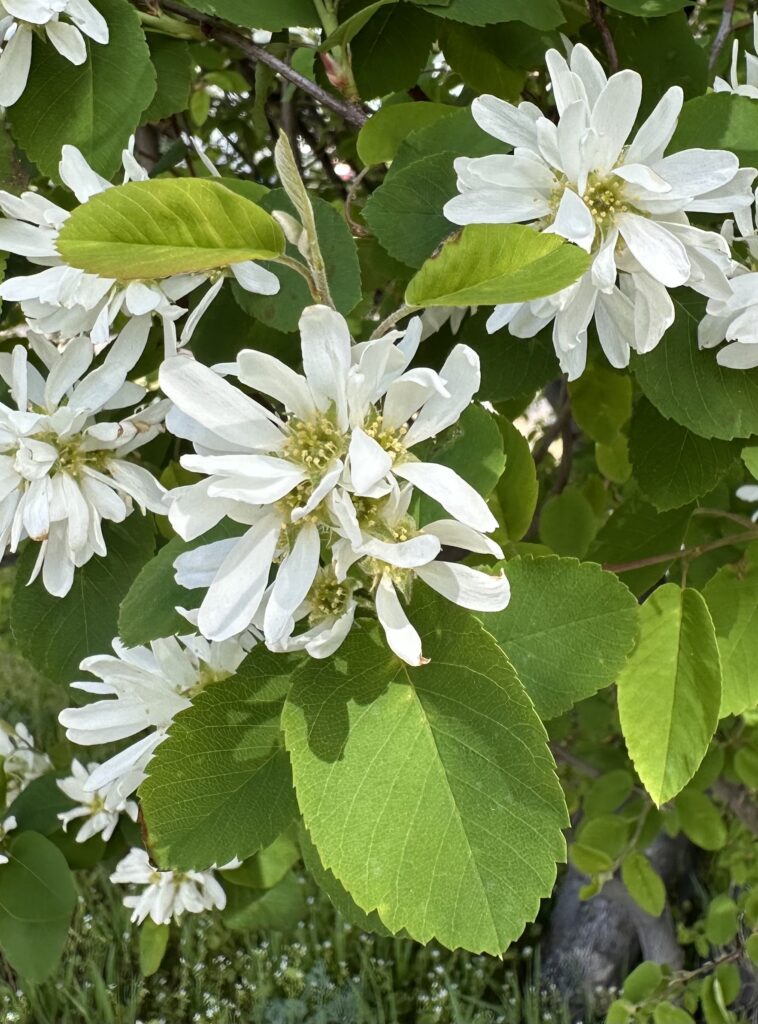
If you see a white bush in mid-April in the East Gorge, that is likely to be Serviceberry. Several were planted at the Lyle trailhead. Later they have edible blackish berries. White bushes later on in mid-May are Mock Orange.

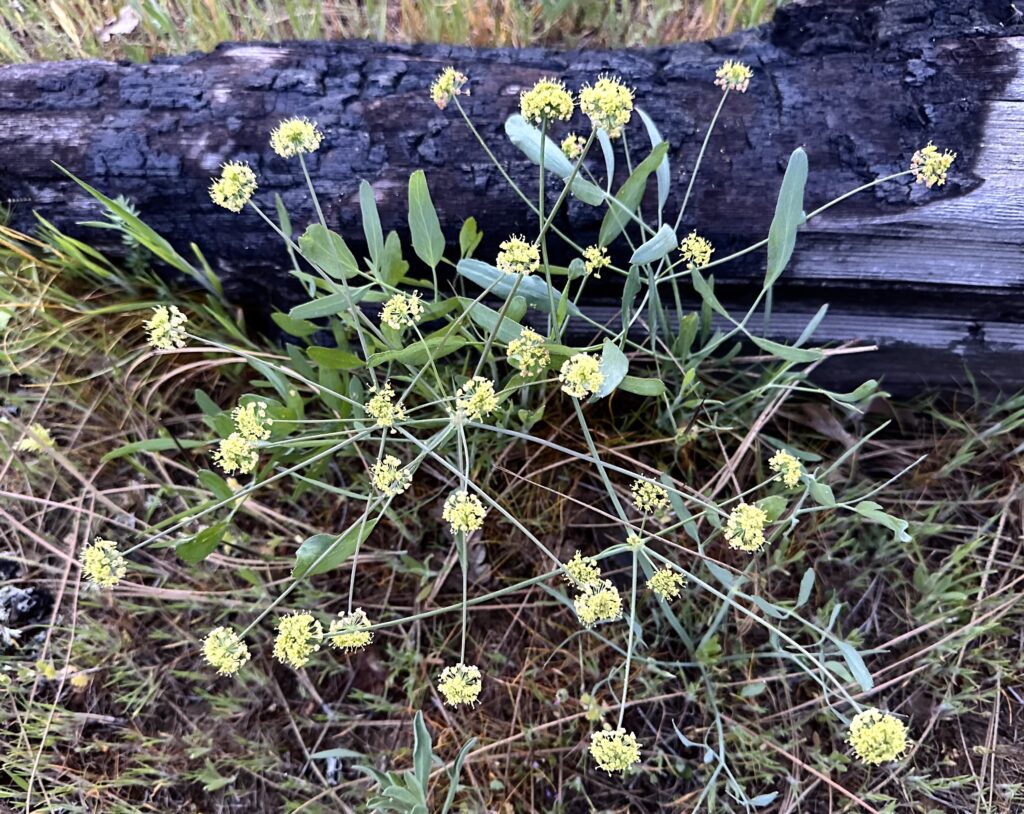
Bare-stem desert parsley (Indian celery) is common on the trail throughout April. One photo shows it in flower with leaves, and the other shows its flowers with Balsamroot and lupine.

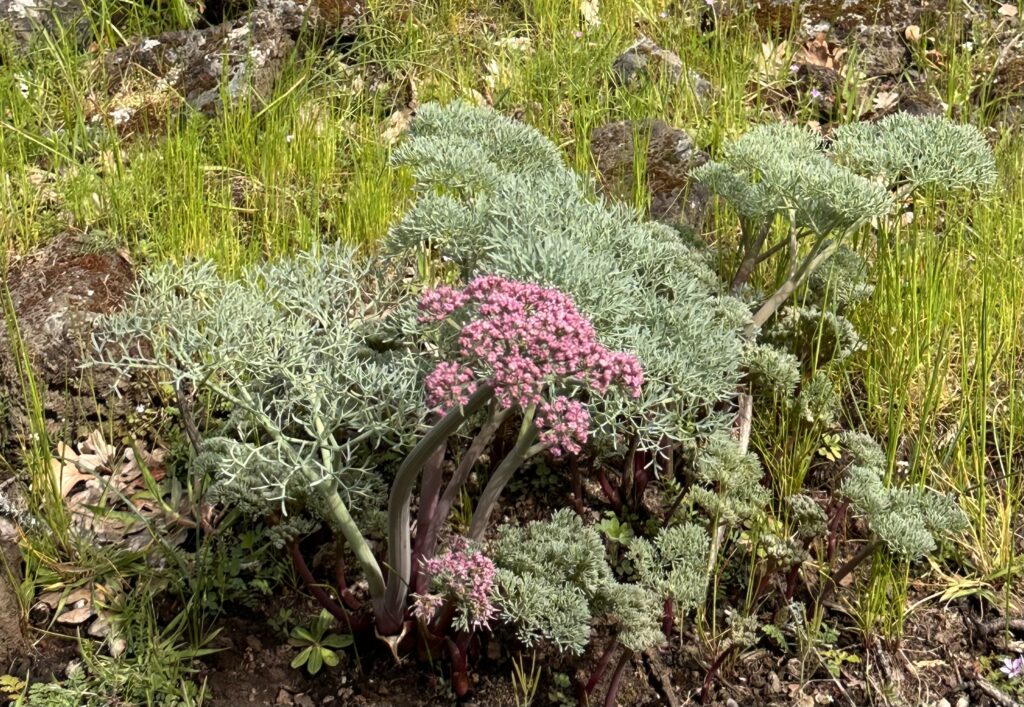
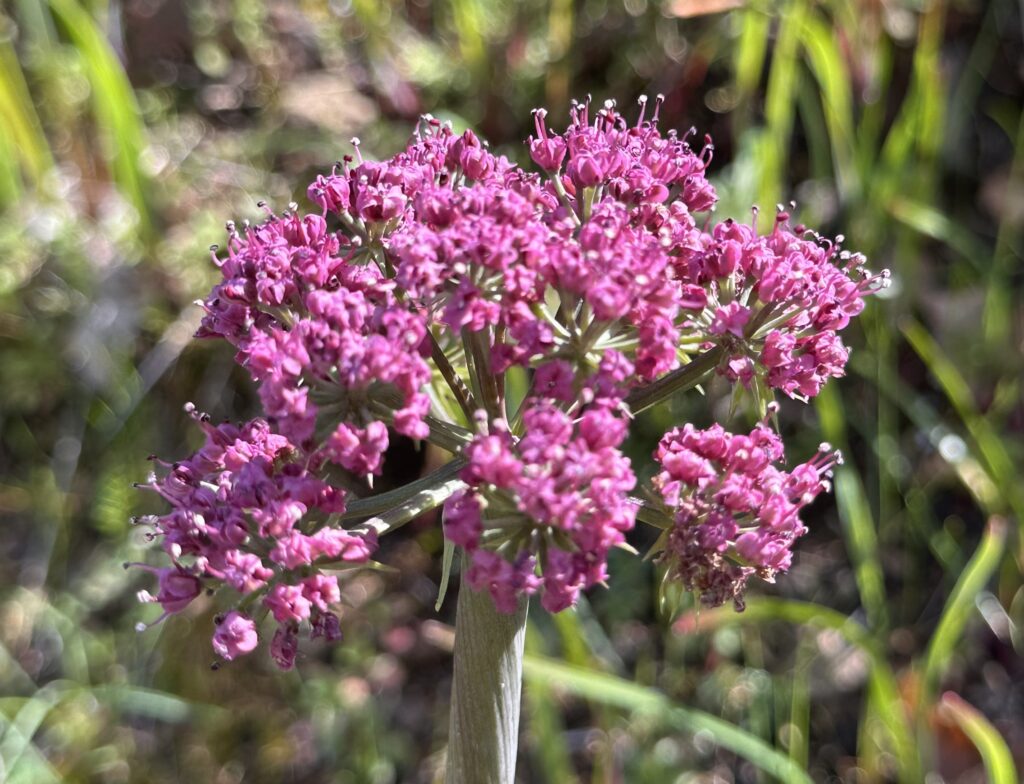
Columbia Desert Parsley blooms in rocky open places in March and early April, especially on a slope in Swale Canyon about 3 miles downstream from Harms Rd., just beyond a curved trestle.

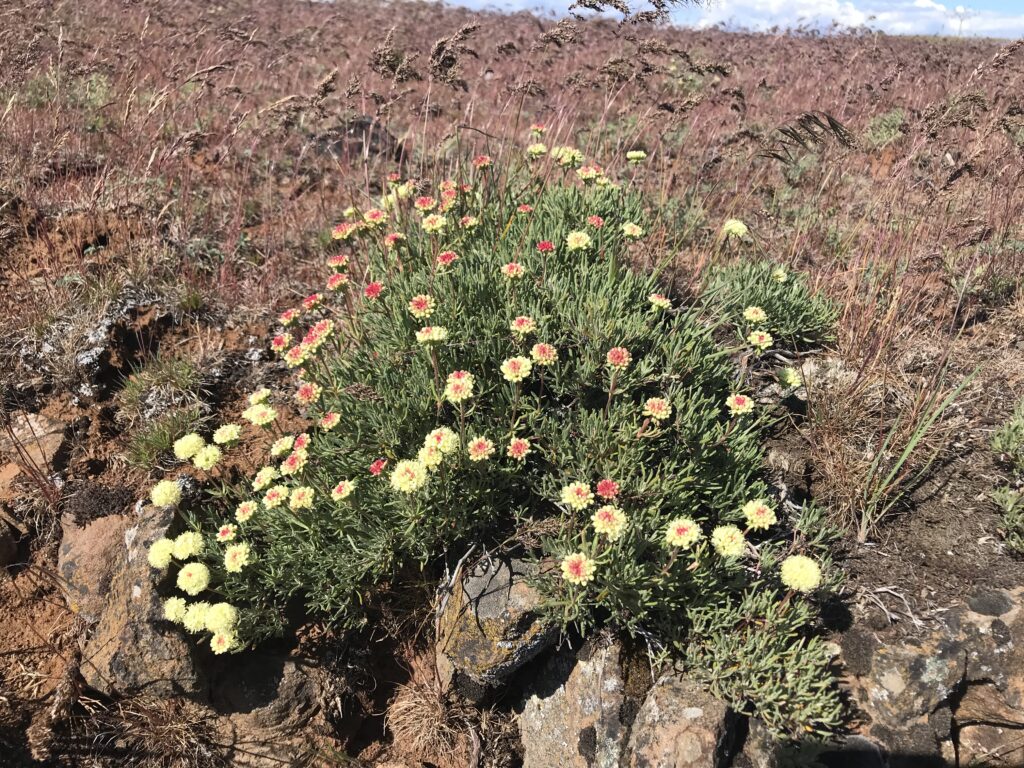
Here is more purple lupine, lupine with heart-leaf buckwheat in red bud, and a Douglas’s buckwheat, with both red buds and yellow flowers.